Category: Academic
Teaching children to think: Why there’s no shortcut to a sharper mind
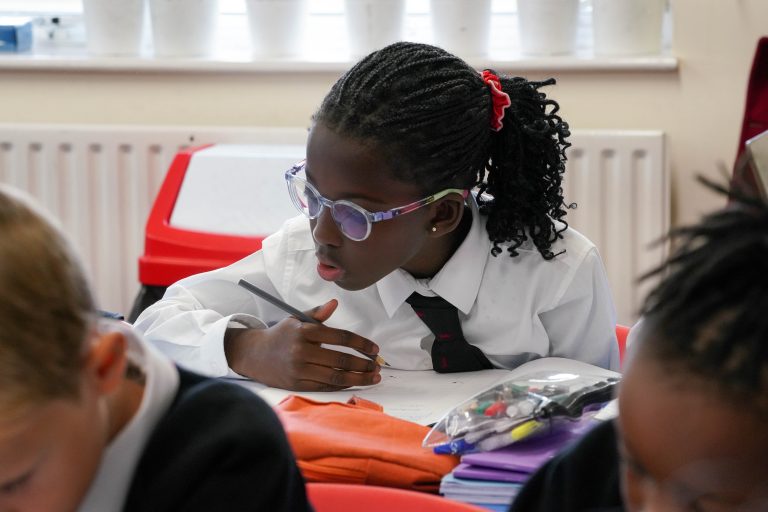
Every autumn, as cognitive potential scores (often known as CATs or QCPs) arrive home, one question comes up more than any other: how can we improve them? It’s a natural thing to ask, and the answer lies in how children are taught to think, every lesson, every day.
A snapshot, not a ceiling
Cognitive potential assessments give a snapshot of how readily a child reasons with words, numbers and shapes. For teachers, they are a valuable tool. They show how each child learns best, and whether their attainment matches their potential.
They are not, however, something to revise for. Practising test-style questions can give a small, short-lived boost from familiarity with the format, but it doesn’t make children better thinkers. What makes the real difference is knowing more, understanding more and having plenty of practice in using that knowledge to reason, explain and solve problems.
We think with what we know
Research in cognitive science points to something simple but powerful: learning is a change in long-term memory. Working memory – sometimes called ‘short-term’ memory, the part of the mind that holds ideas while we think about them – is small and easily overloaded. Long-term memory, by contrast, is vast. The more knowledge and vocabulary a child has securely stored, the more mental space is free for the hard part: making connections, spotting patterns and tackling new problems. Children remember what they have thought hard about, and what they have returned to many times, in different ways, over time. Every lesson at Copthorne is designed with that in mind.
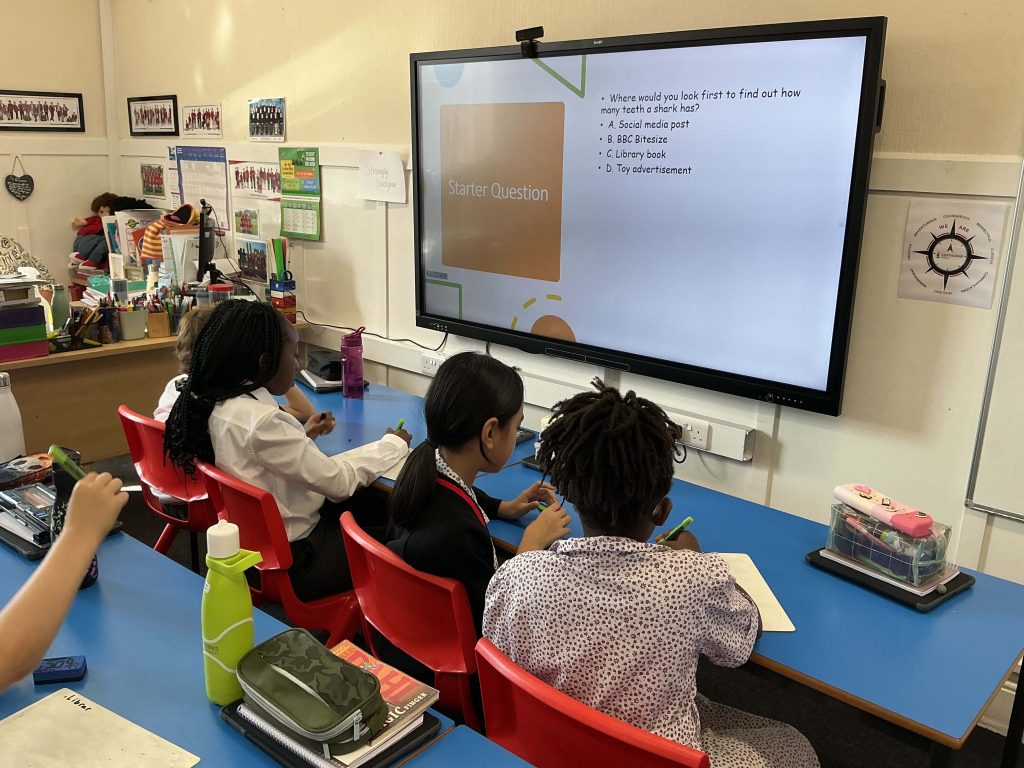
Inside a Copthorne lesson
Our Teaching & Learning Toolkit, built on Rosenshine’s Principles of Instruction and the latest research on how children learn, sets out what we expect to see in every classroom. If you step into a Copthorne lesson, you will see:
Retrieval first – lessons open with a few minutes of silent recall from memory: last lesson, last week, last term. Each time learning is brought back, it gets stronger.
Clear goals – children know exactly what they are learning and what success looks like. They check their own work against success criteria printed in their books.
Expert thinking made visible – teachers model new learning in small steps, thinking aloud as they go. Children see how an expert approaches a problem before they try it themselves.
Questions that make everyone think – ‘Why?’ ‘How do you know?’ ‘What would happen if…?’ Every child is expected to answer, with time to think first.
Talk – through ‘think, pair, share’, children explain their reasoning in full sentences, using precise vocabulary. Putting thinking into words deepens it.
Words worth knowing – key vocabulary is taught explicitly, and talk is scaffolded with sentence stems and speaking frames, because words children can explain and use are words they can think with.
Thinking about thinking – before a task, children ask themselves: What do I need to help me? Why will it help? How will I use it? Developing metacognition in this way helps to create resilient, adaptable learners, ready for whatever new material they face.
A curriculum built for thinking
This approach runs through our Horizon Curriculum. Learning is organised around enquiry questions that grow more demanding as children move up the school, with Global, our integrated humanities subject, at its heart. Subjects connect, so children link ideas rather than learning facts in isolation. It is a curriculum designed to teach children how to think, not just what to know.
The best support at home is simple
Families often ask what they can do at home. The most effective things need no worksheets at all:
Read together every day – reading builds the knowledge and vocabulary that all thinking depends on.
Ask ‘why?’ – invite children to explain their thinking, not just give an answer.
Ask what they remembered – ‘What’s one thing you remembered in maths today?’ Recalling the day’s learning over dinner strengthens it but avoid huge, broad questions (they won’t tell you anything if the scope is too wide!).
Let them wrestle with it – thinking hard should feel effortful, so resist the urge to rescue too quickly. This applies to learning beyond the classroom, too – children feel successful when they have been able to solve a problem, not when it’s been solved for them, and that lays the foundations for challenge and risk-taking as they grow.
Praise the process – effort, persistence and good reasoning matter more than any single score.
Trusting the process
Strong thinkers aren’t made overnight, and they aren’t made by drilling. They are built steadily, lesson by lesson, through secure knowledge, rich talk and well-designed teaching. That is the approach at the heart of Copthorne’s curriculum and classrooms, and it is why we can say with confidence: trust the process.
Clues, Codes and Treasure at Outdoor Maths Day
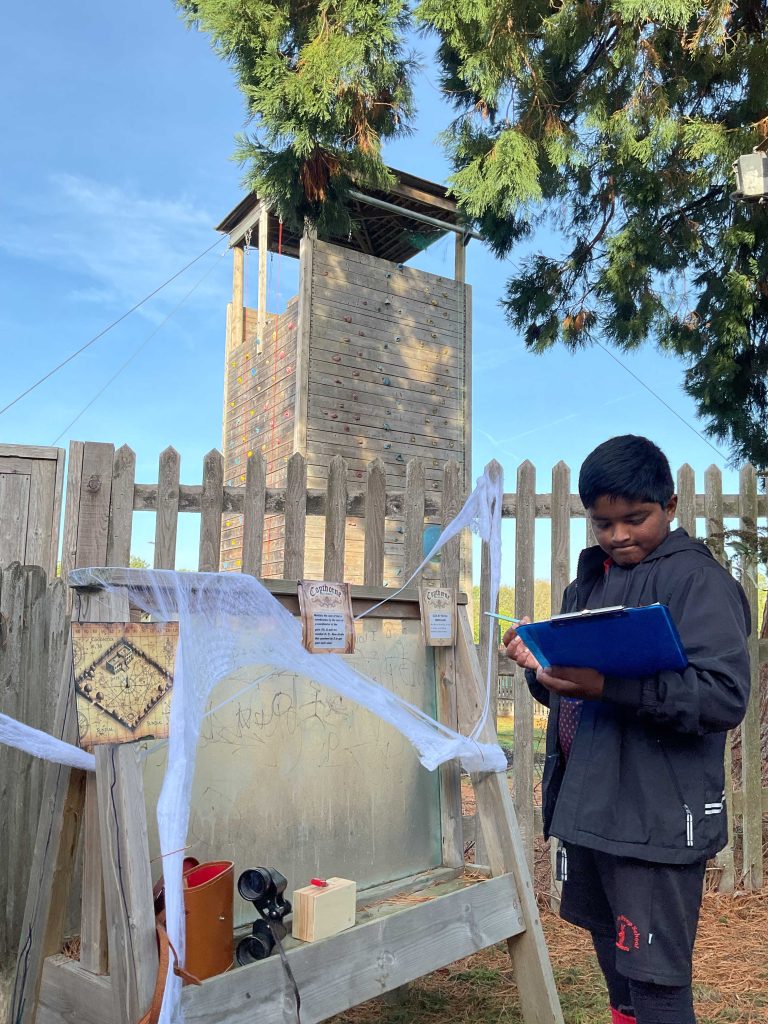
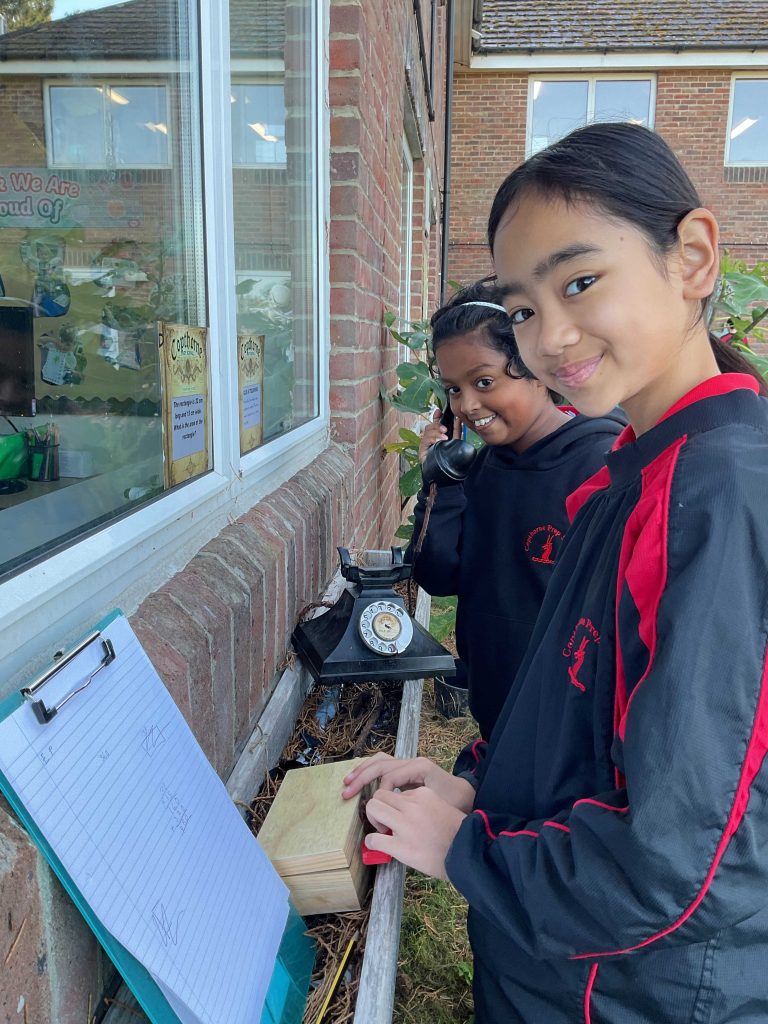
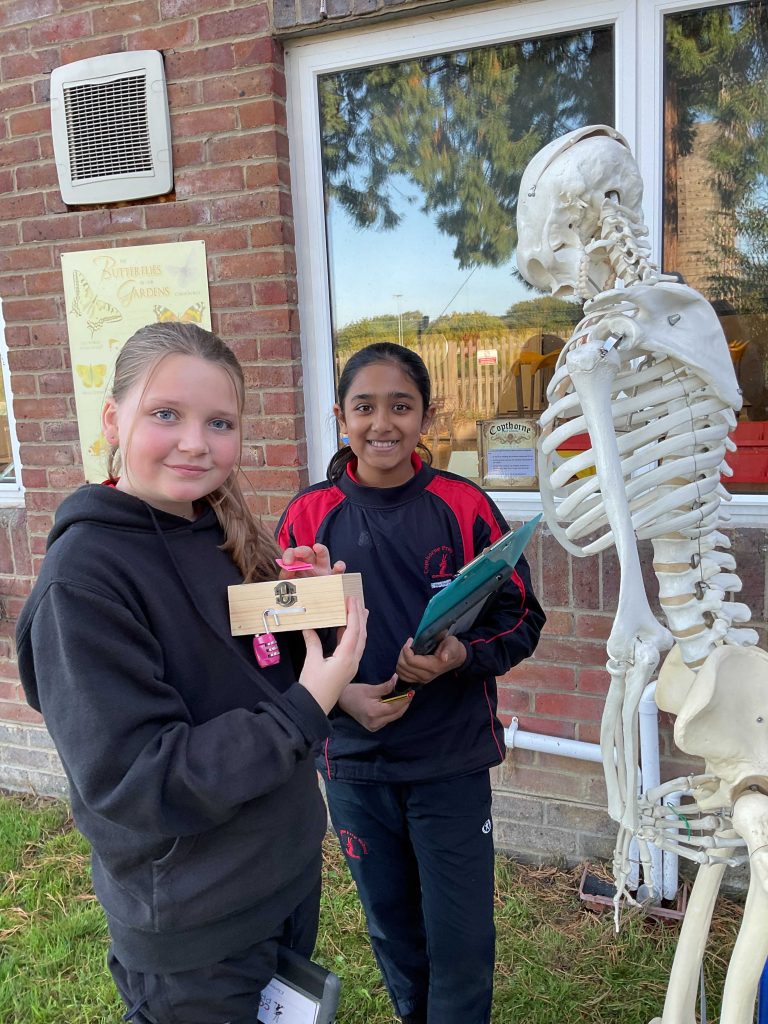
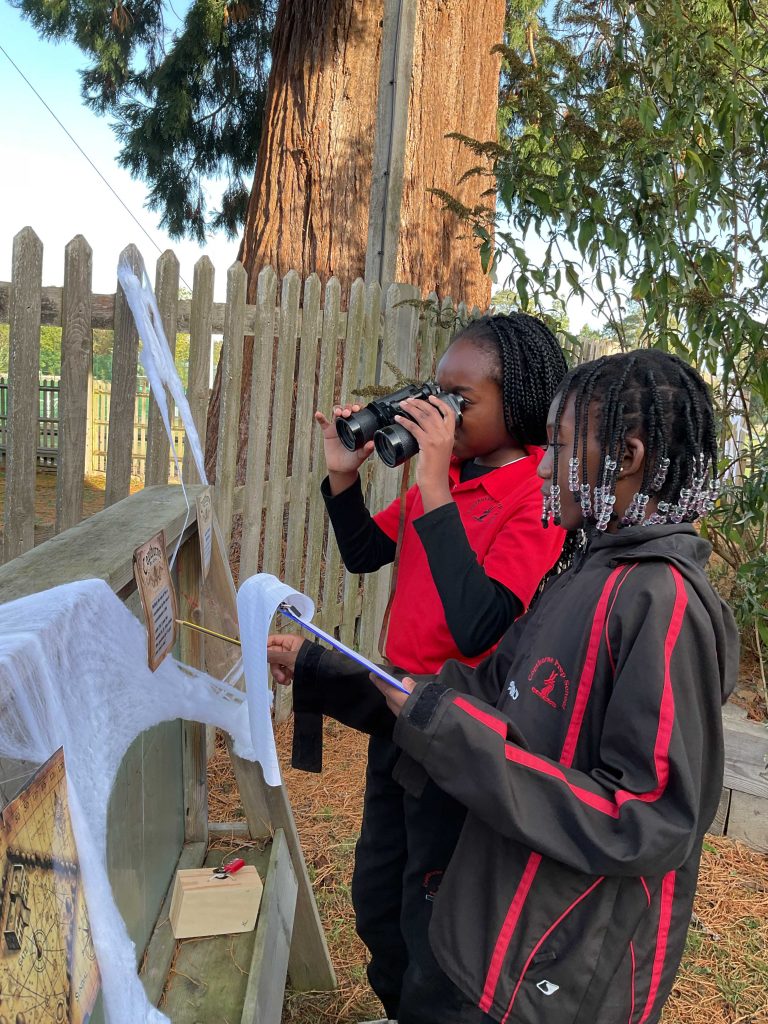
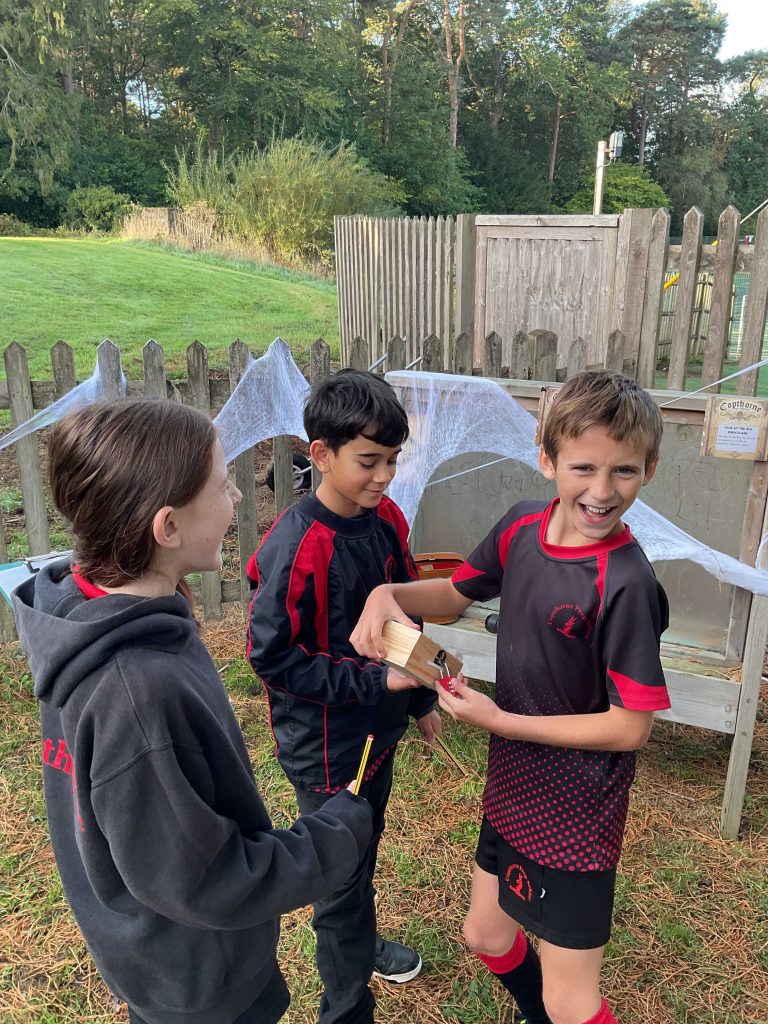
This week, every class enjoyed taking maths outdoors for a special Outdoor Maths Day. Activities ranged from escape rooms and orienteering challenges to a lively Place Value Bootcamp, giving children the chance to apply their maths skills in fun and engaging ways.
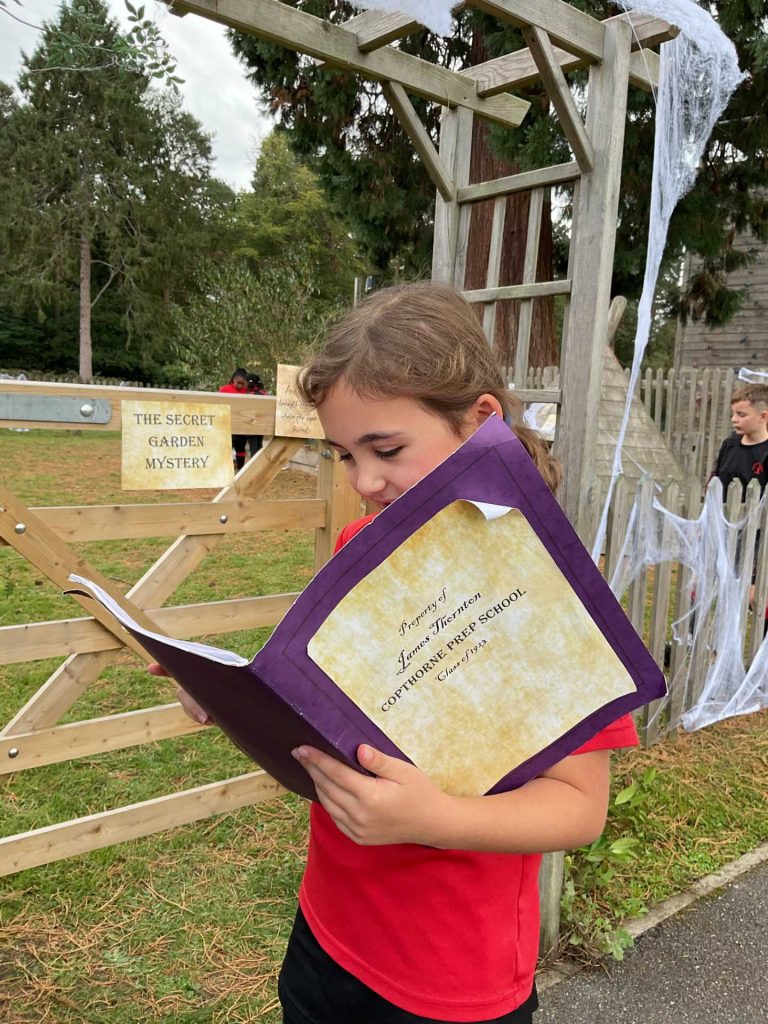
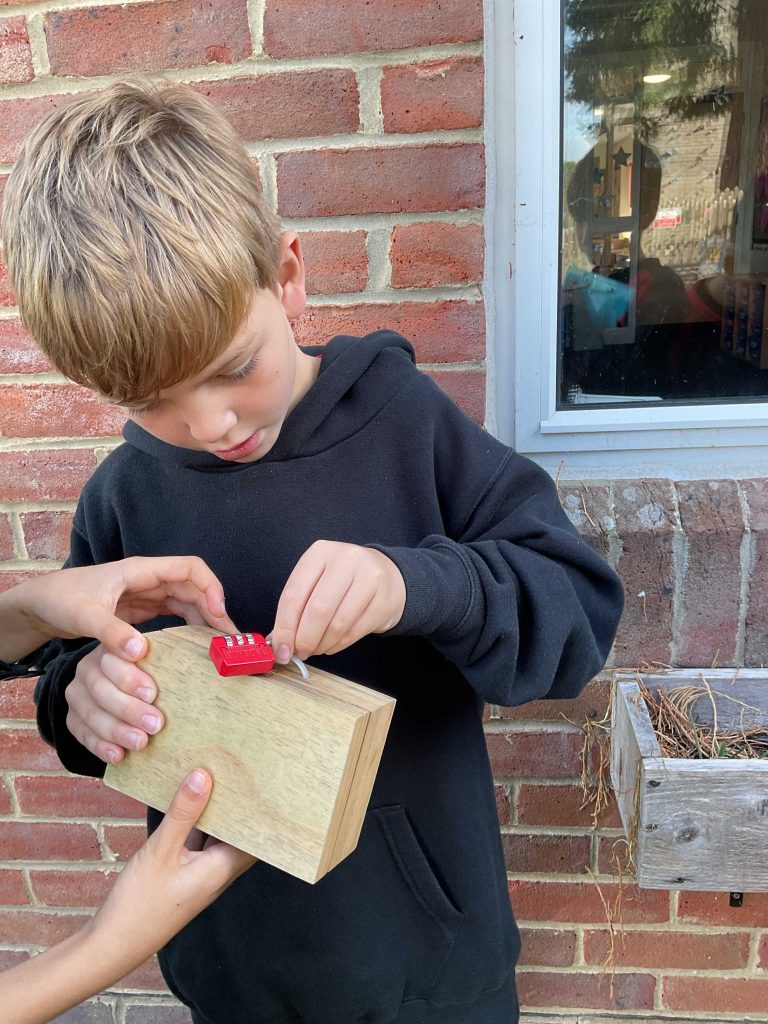
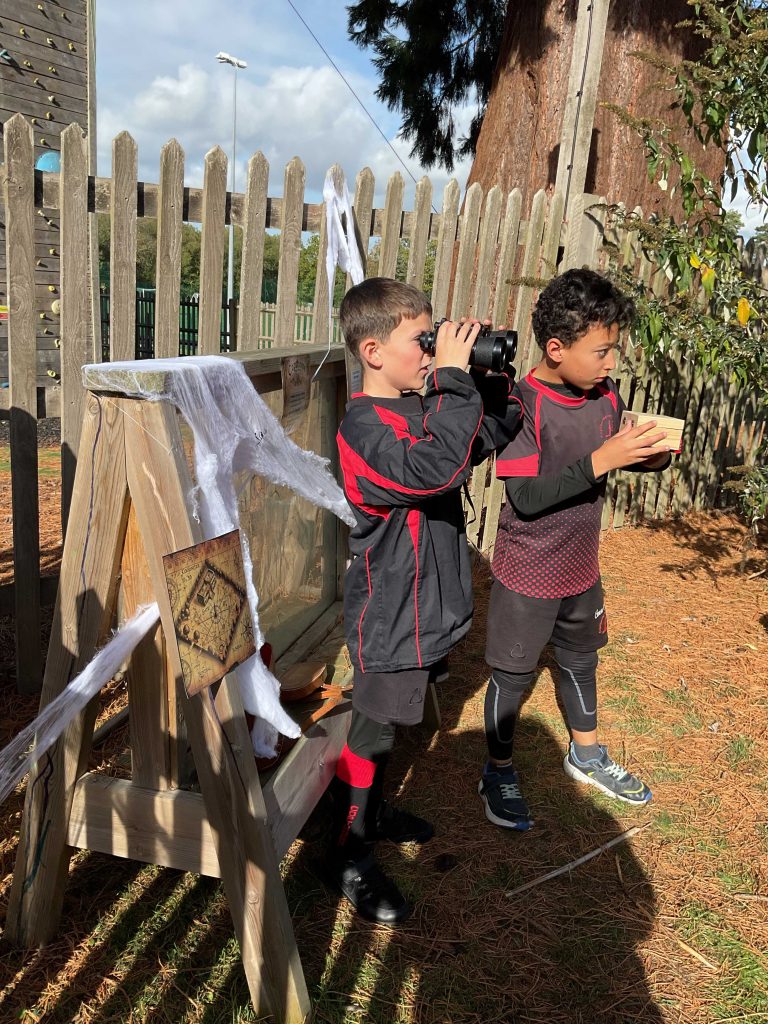
A particular highlight for Years 5 and 6 was the Secret Garden Mystery in our sensory garden. Based on a fictional story about a Copthorne Headteacher from 100 years ago, pupils worked in teams to solve a series of maths problems, unlocking clues that eventually led them to a treasure chest.
The day was full of collaboration, problem-solving and excitement. It was wonderful to see children working together, thinking creatively and discovering that maths can be enjoyed well beyond the classroom walls.
We are excited to be taking part in the Sumdog South East England Maths Contest from 19 October (8.00am) to 23 October (12.00pm). Good luck to all our Copthornians taking part! Let’s see if we can climb the leaderboard and showcase our fantastic maths skills against schools across the region.
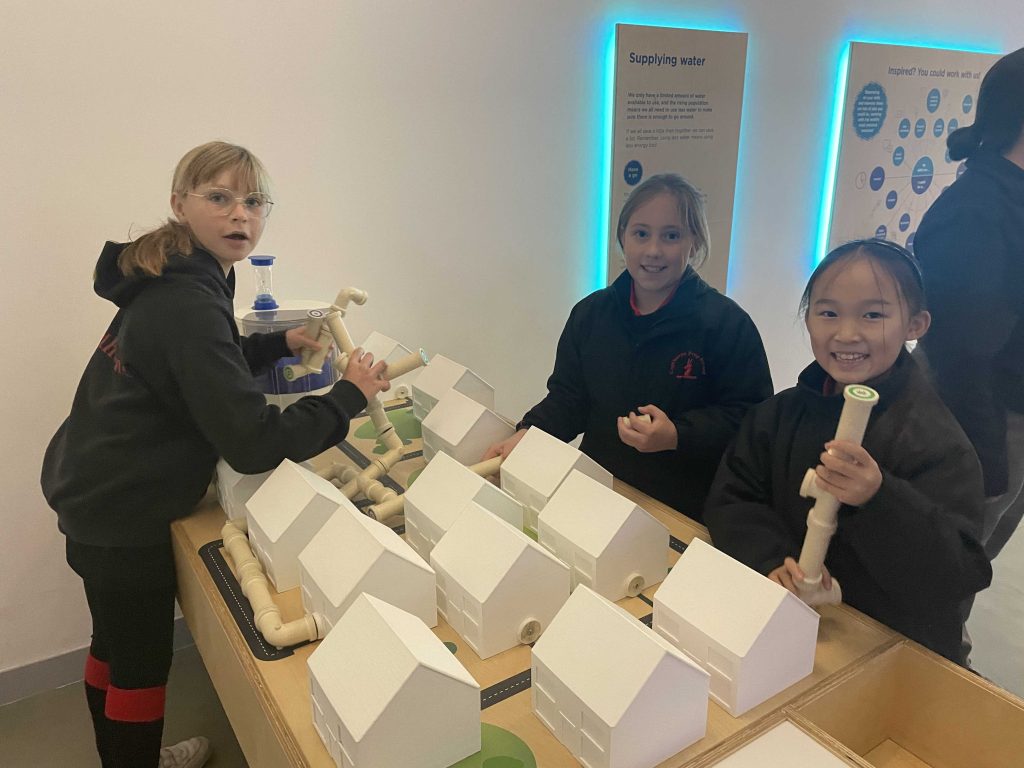
Why Is Water Important? Year 5 Investigate
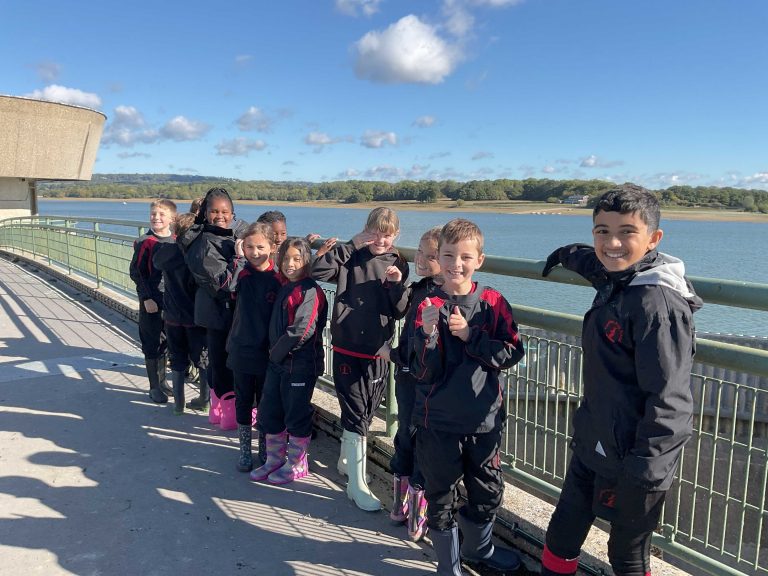
“Why is water important?” It’s one of our big Global questions for Year 5! As part their studies, the pupils headed out to find some answers
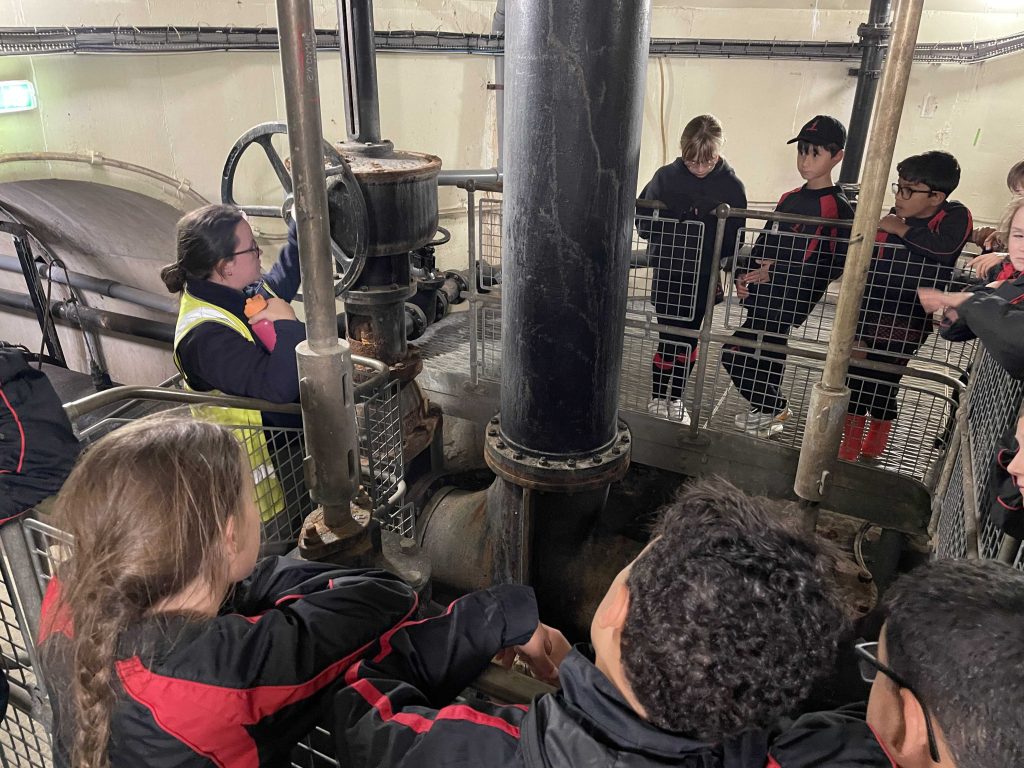
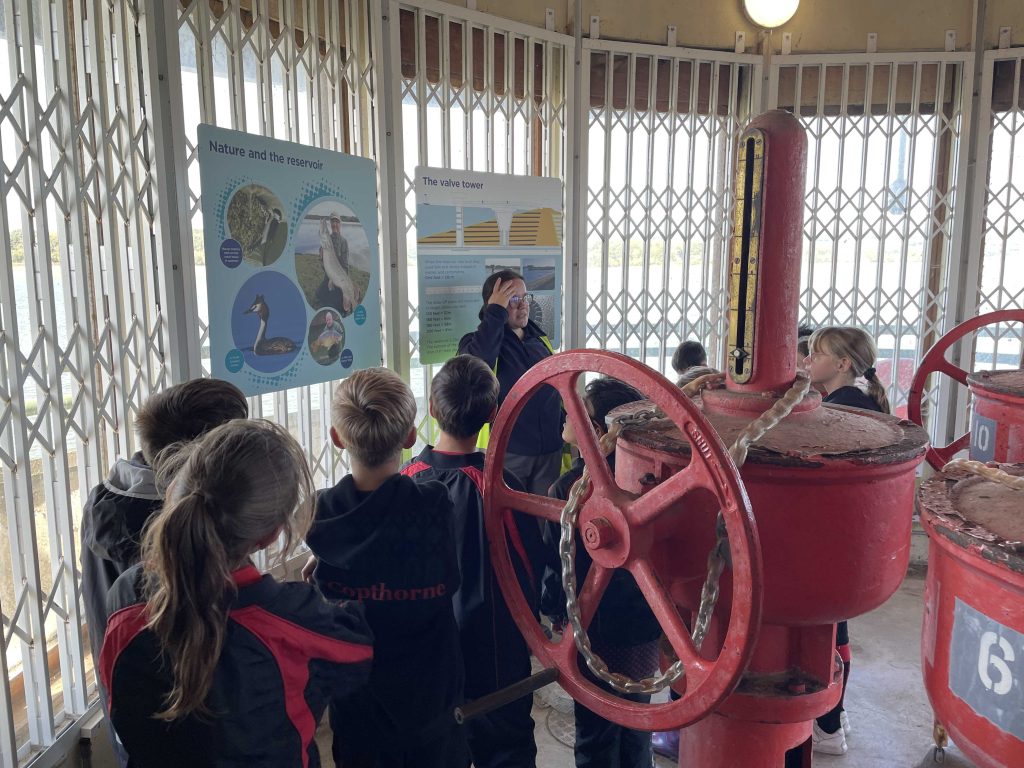
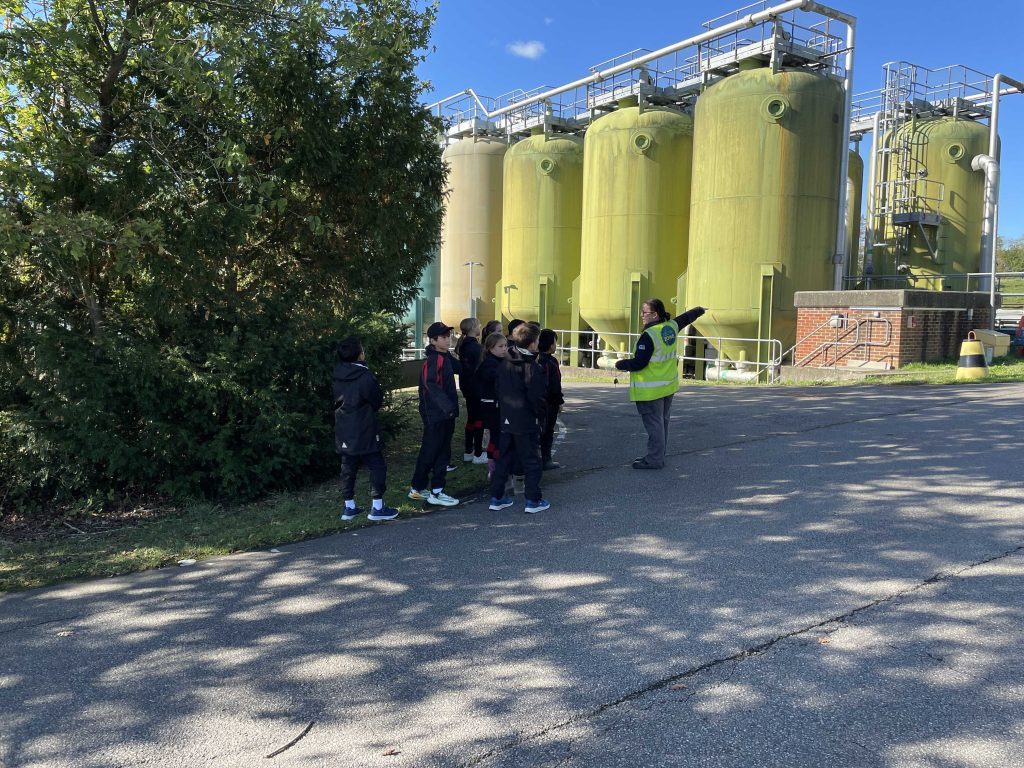
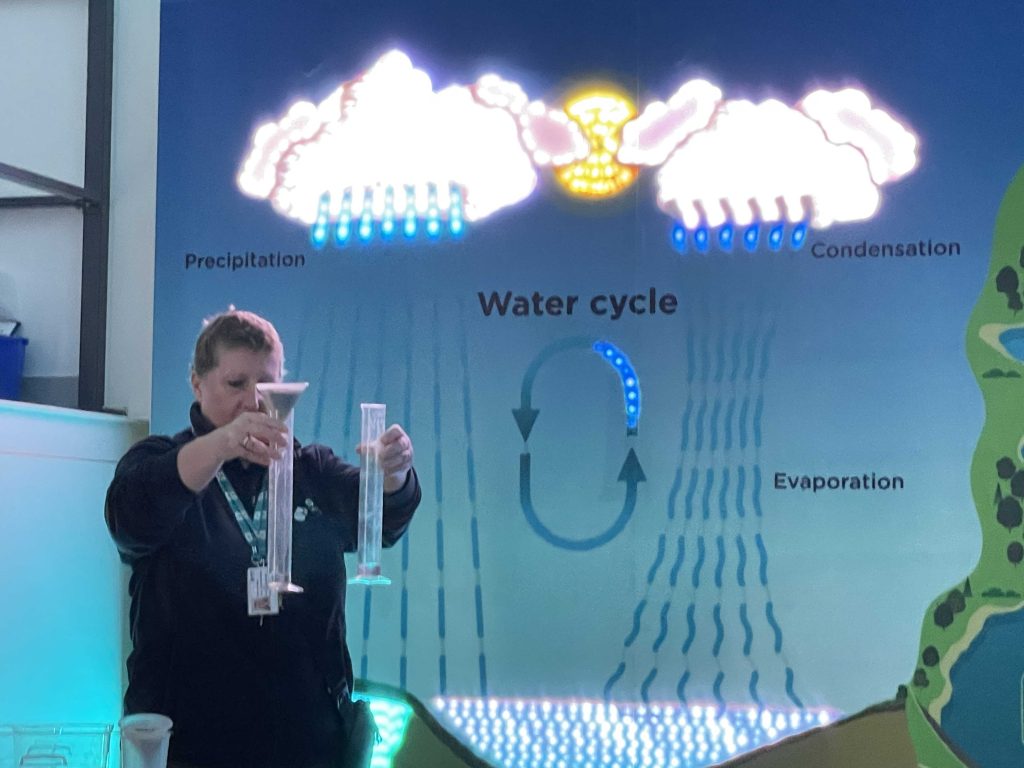
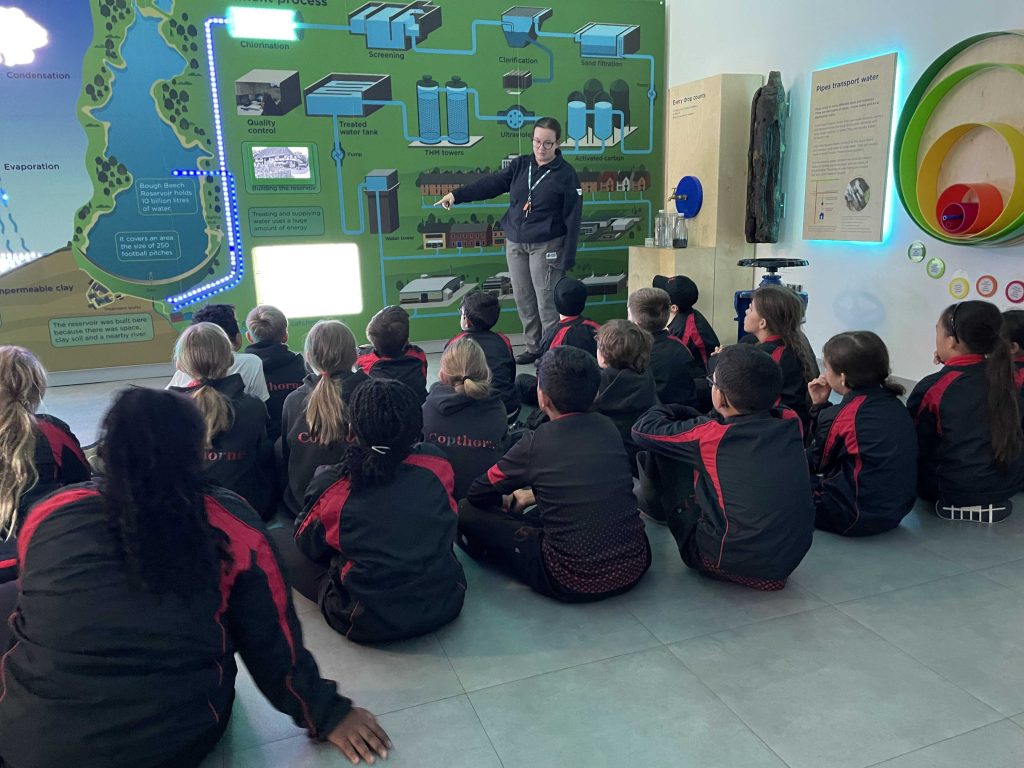
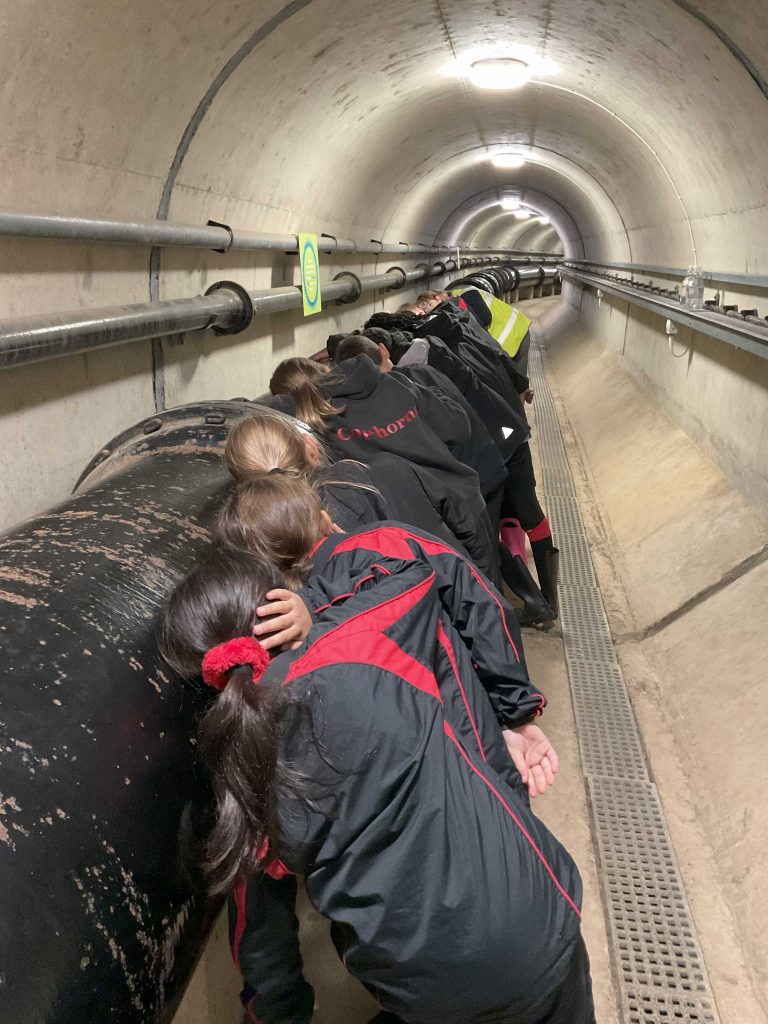
first-hand at the Flow Zone at Bough Beech reservoir.The visit began with a journey around the water cycle, tracking a single drop of water on its trip from reservoir to tap, discovering how it is stored, filtered and clarified until it’s clean and safe to flow into our homes. The children were then challenged to think about how much water we waste, and came away full of ideas for cutting down their own water use and help look after the environment.
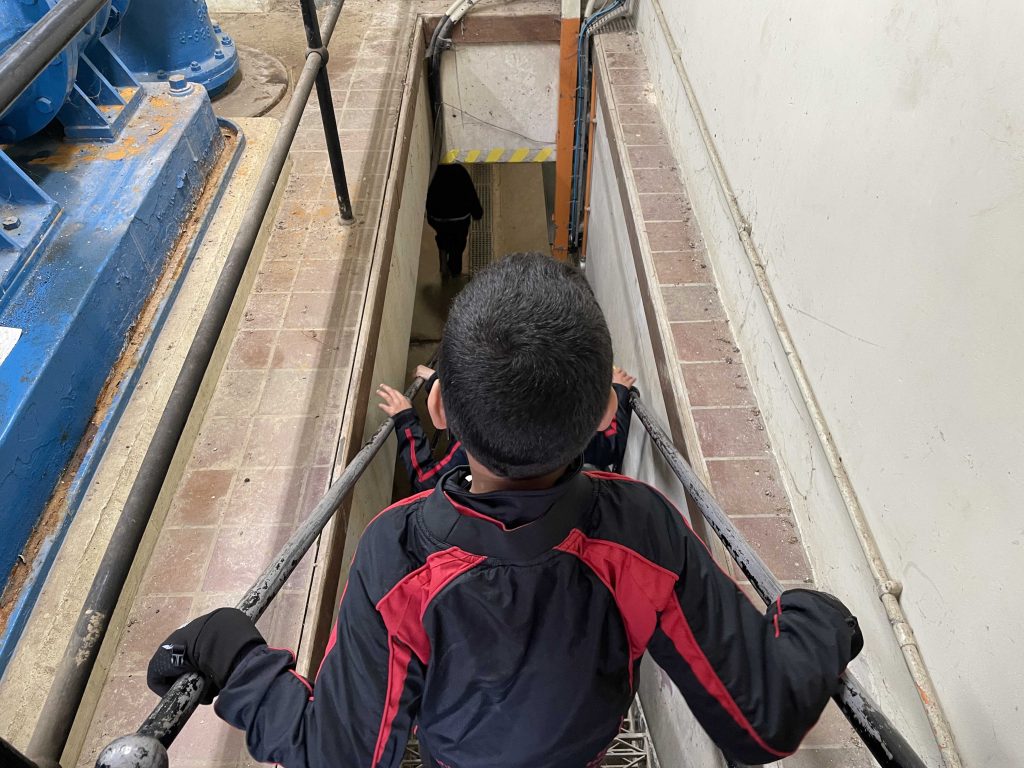
The highlight for many was exploring the reservoir itself. The children had the opportunity to walk over it and then headed down to see the tunnel running beneath it, a brilliant chance to see how it all works from the inside.
A fabulous day of learning was had by all!
Run, Run Reception! Meet Our Gingerbread Characters
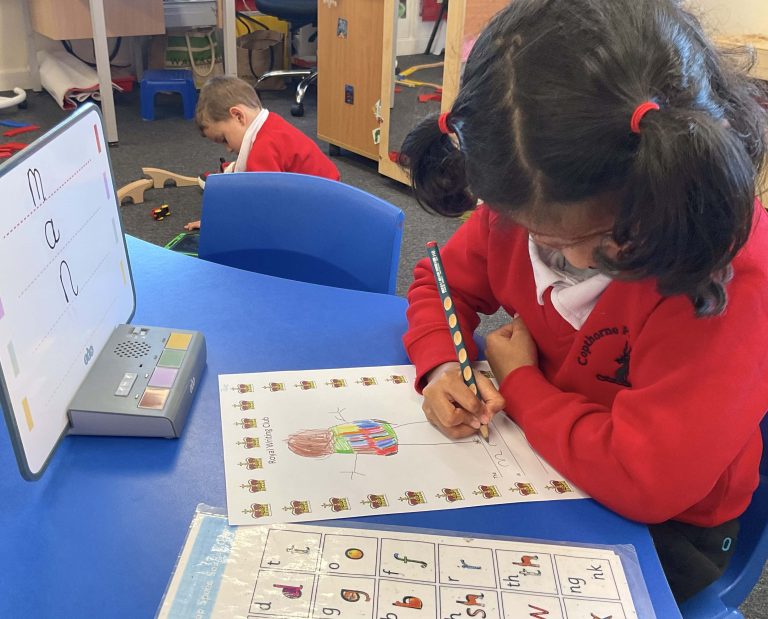
This week in English, our Reception pupils have been getting to know the Gingerbread Man a little better. What is he like? Is he cheeky, speedy, brave, or just a bit too full of himself? The children had plenty of ideas, and then they went one step further and designed gingerbread characters of their own.
To help them capture their ideas in words, we brought out our new record-a-boards. The children used them to say a word aloud, listen carefully for each sound, and record what they heard, practising the sounds in CVC words (consonant, vowel, consonant, like “man”, “can” and “run”). It is a wonderful way to build early phonics skills, as children learn to hear the sounds within a word and match them to letters. Using this skill, they wrote key words to describe the Gingerbread Man, turning their listening into real, purposeful writing.
Well done everyone, great work!
Quick Facts Programme Builds Fluency in Maths

As part of our homework approach from Year 1 to Year 6, all pupils take part in our bespoke Quick Facts programme. Each week, children will be asked to practise a specific Maths skill at home in preparation for a short quiz on Fridays. No written evidence is expected. The aim is to develop mathematical fluency through regular rehearsal of key facts and skills, helping children recall important knowledge accurately and efficiently.
Whilst understanding remains at the heart of excellent mathematics teaching, children also benefit from having key facts readily available. When number facts become secure and automatic, pupils can devote more of their thinking to reasoning, problem-solving and applying their knowledge in new situations.
We recognise that children are at different stages in their mathematical development, so the same focus may feel straightforward for some and more challenging for others. To support this, our weekly quizzes are levelled, allowing children to choose an appropriately challenging option. The purpose is not to create pressure around scores, but to provide regular opportunities to revisit and strengthen essential knowledge over time.
To help families support learning at home, each Quick Facts sheet includes Top Tips and examples of the types of questions children may encounter. We strongly encourage parents and pupils to read through these together, as they provide useful guidance for practice.
We encourage families to view Quick Facts as an opportunity to “exercise the brain”. Little and often is most effective. A few minutes of quick-fire practice during a car journey, on the walk to school, or at the dinner table can make a significant difference. Flashcards, oral questioning and simple games are all excellent ways to support learning. By making practice a regular, enjoyable routine, we can work together to build confidence, fluency and strong mathematical foundations.
Studying Water Through an Artist’s Eye
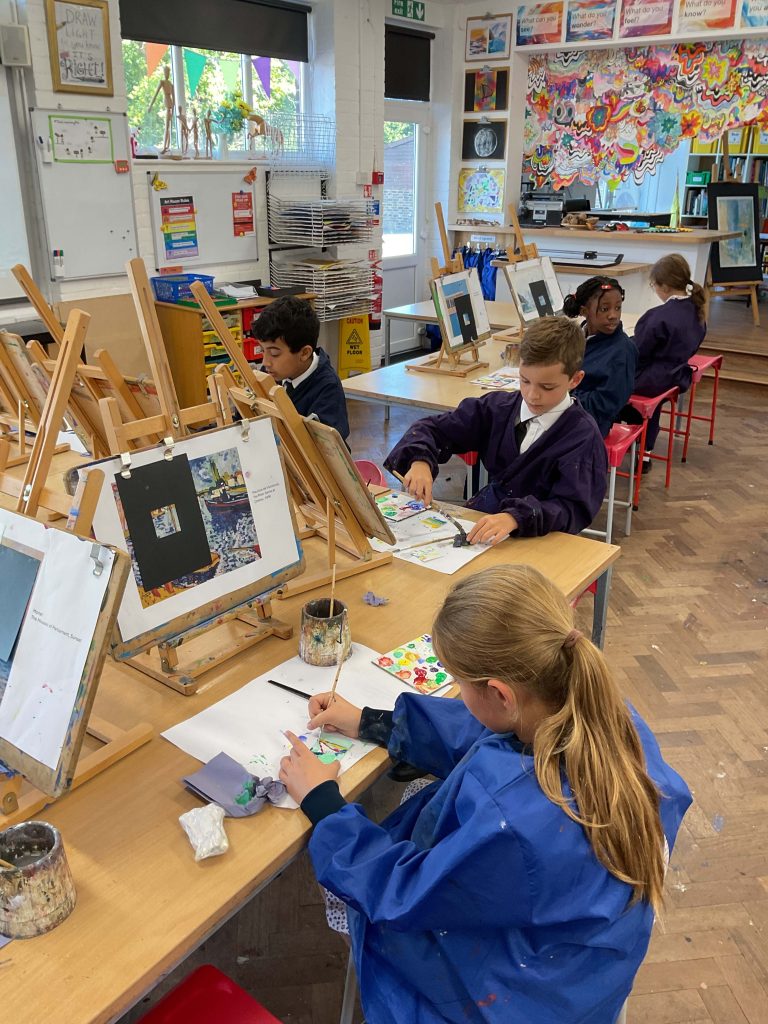
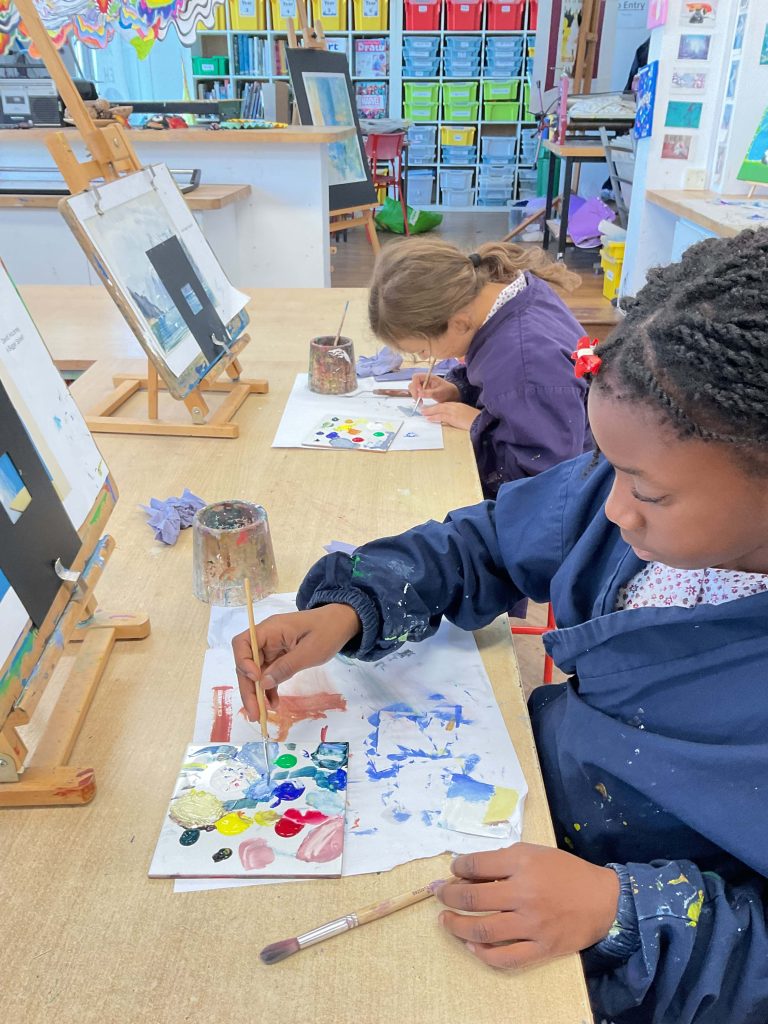
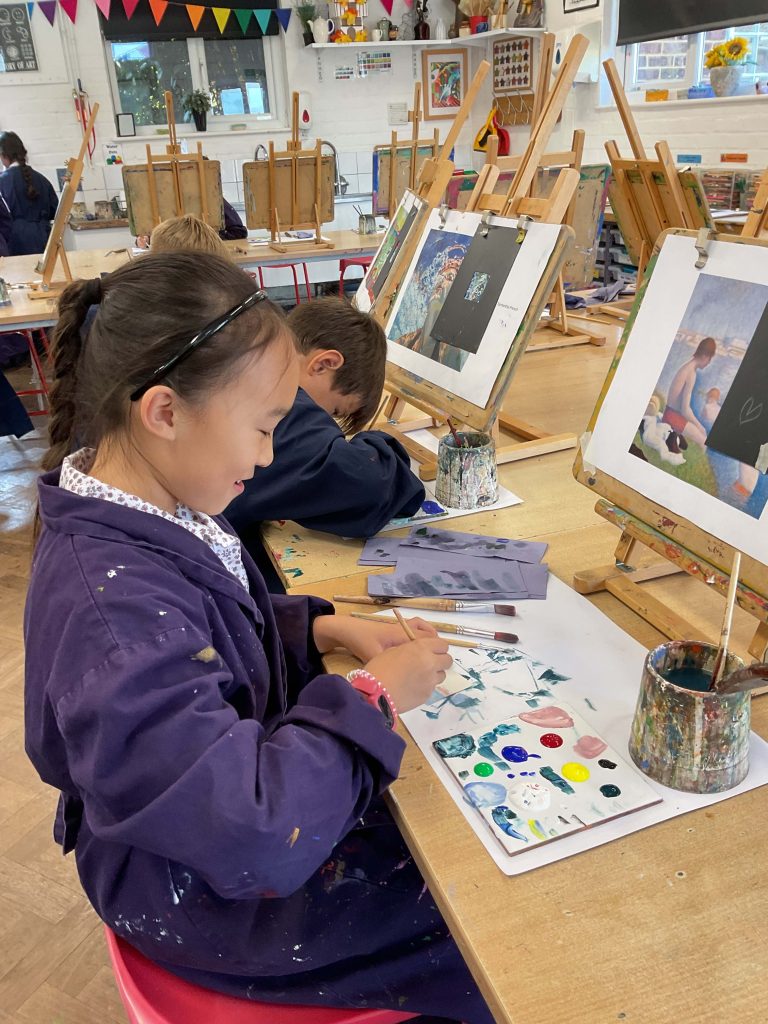
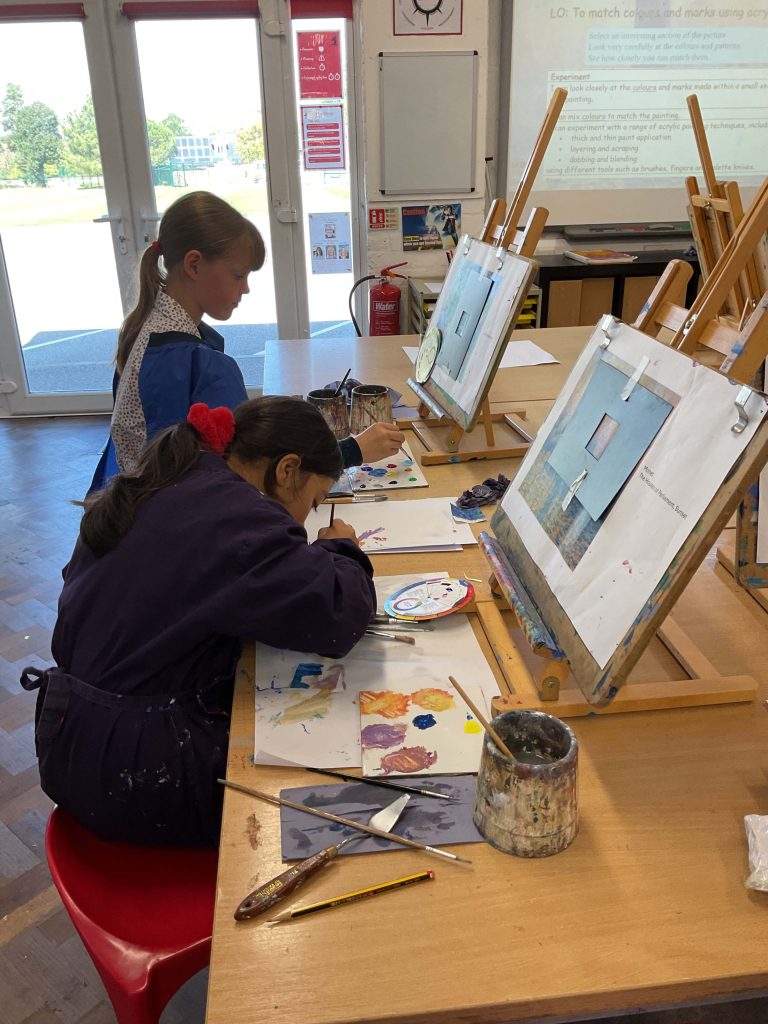
Linking with their global question, ‘Why is Water Important?’, Year 5 have been studying artists who incorporate water into their work. They have explored a range of artistic styles and techniques, including woodblock printing, watercolour painting, Impressionism, Fauvism, Pop Art and sculpture.
This week, pupils selected a small section of a chosen artwork to recreate. They developed their colour-mixing skills by matching the original colours as closely as possible and experimented with a variety of brushstroke techniques and palette knife effects to create different marks and textures. The result was a collection of beautiful and thoughtful studies that demonstrated both creativity and careful observation.
The Importance of Being Curious
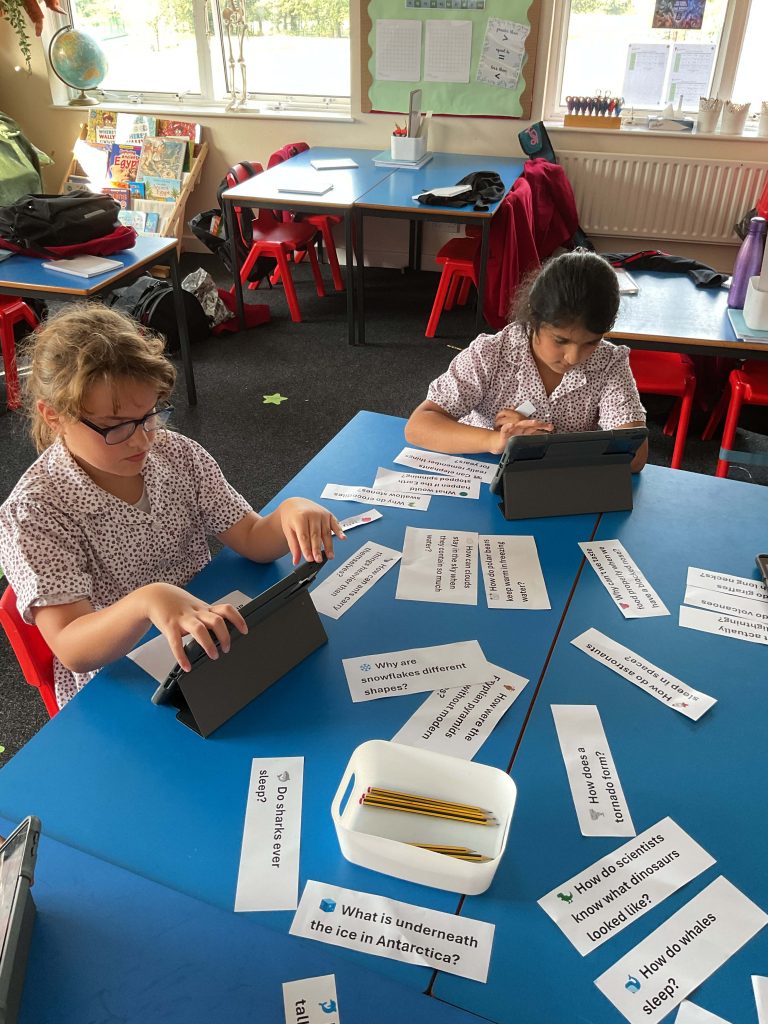
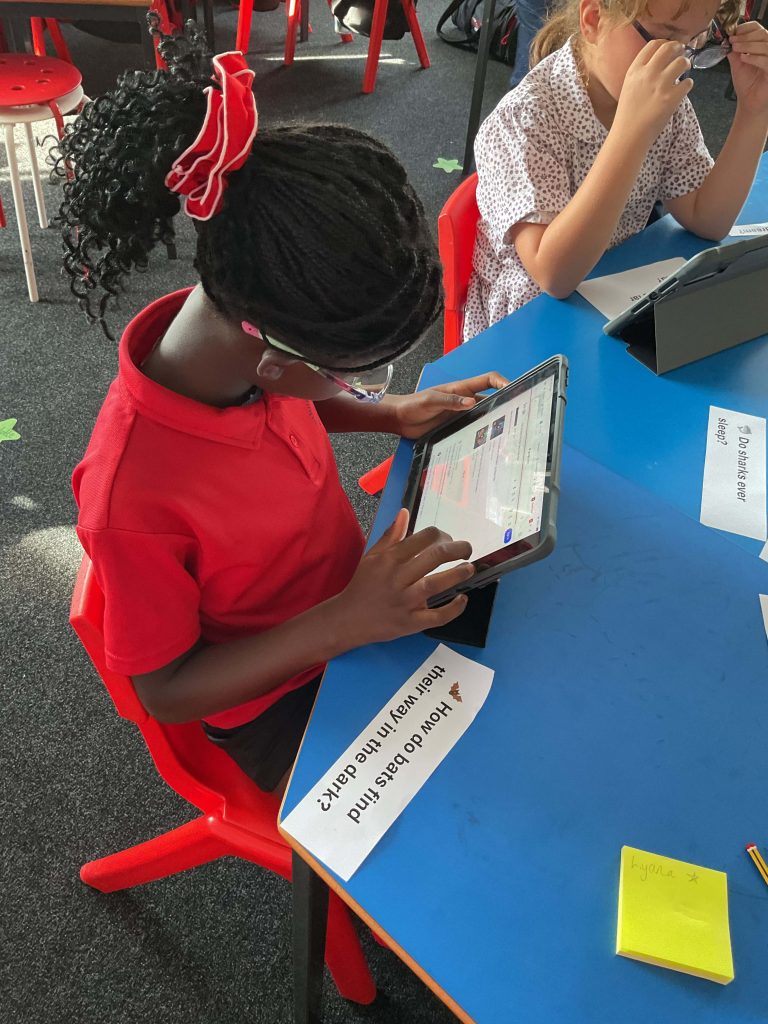
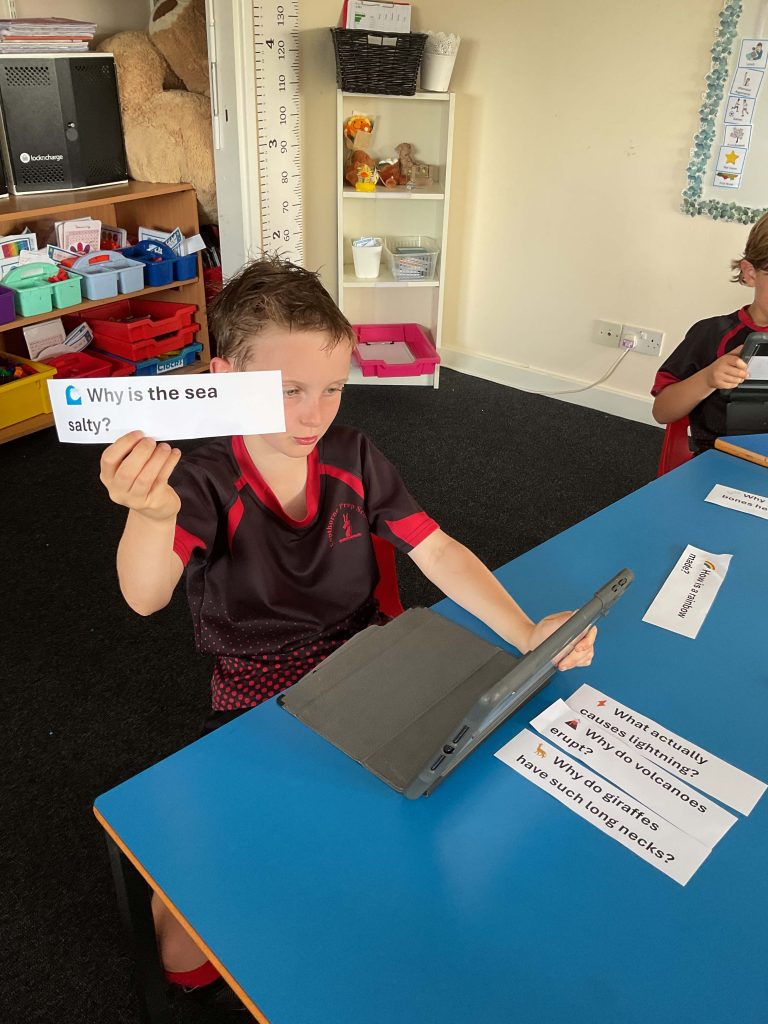
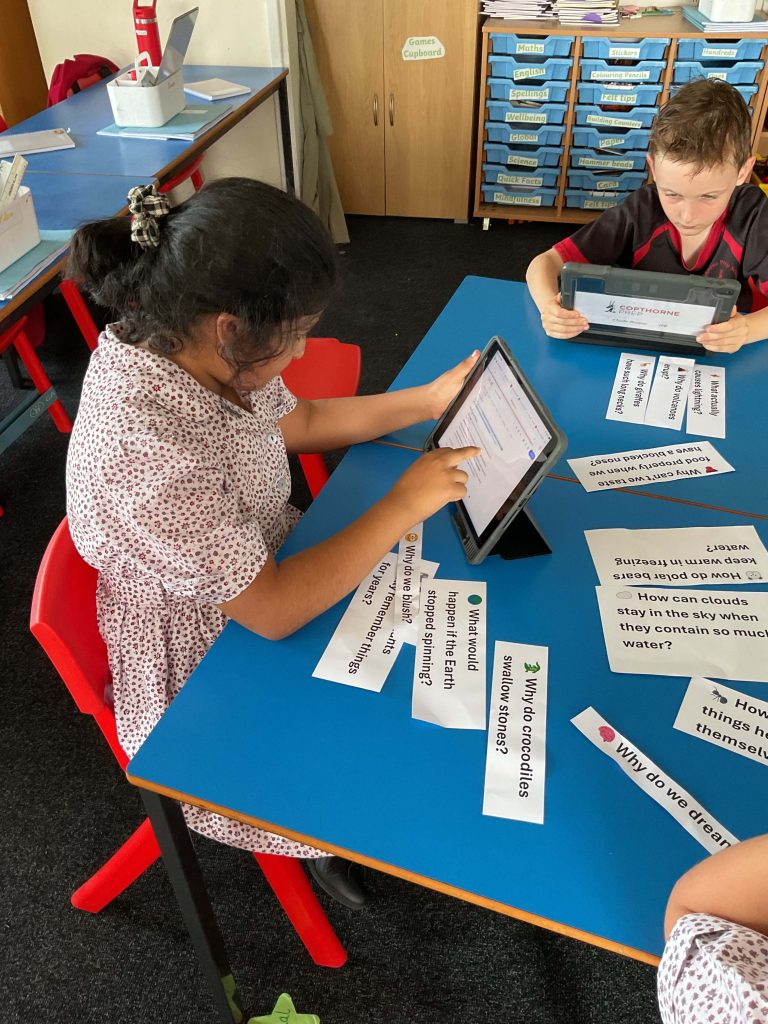
In Research Skills Enrichment, we explored the importance of being curious and asking thoughtful questions about the world around us. We came up with some fantastic questions, including “Why do whales sleep?” and “Why do we shiver?” Once we had our questions, we researched the answers using a variety of sources. We also learned that not every source is equally reliable, so we had to think critically about where our information came from and check that it was accurate. We discovered that being a good researcher means not only finding answers but also questioning and evaluating the information we find.
Year 3 Pull Some Moves in Science
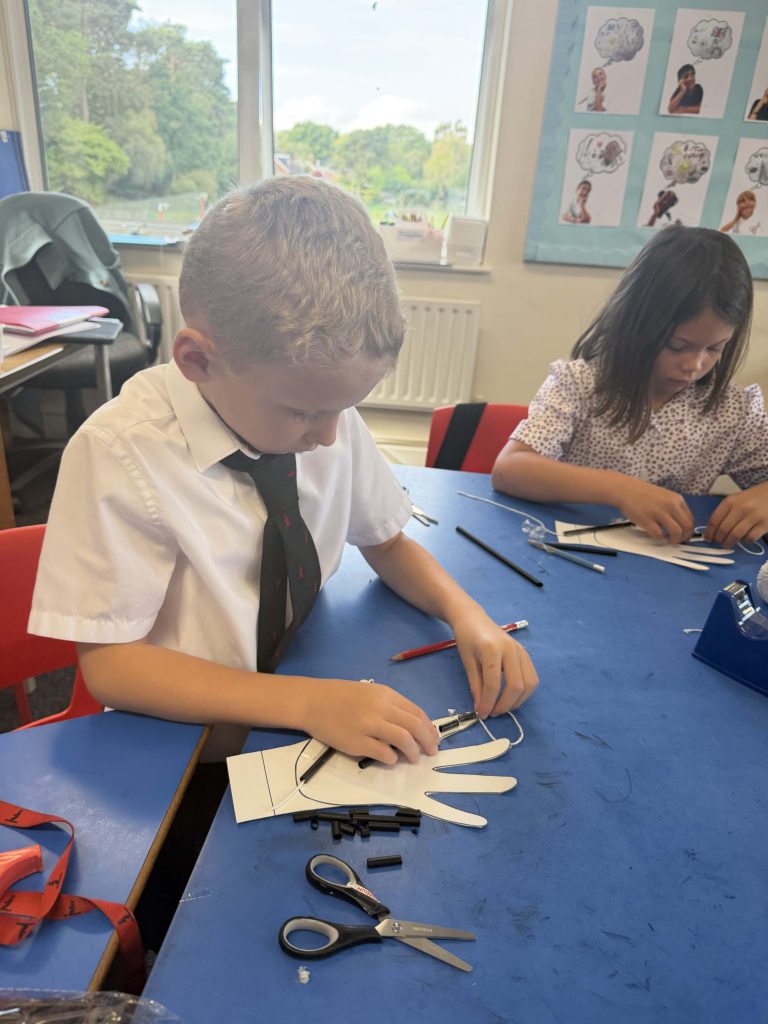
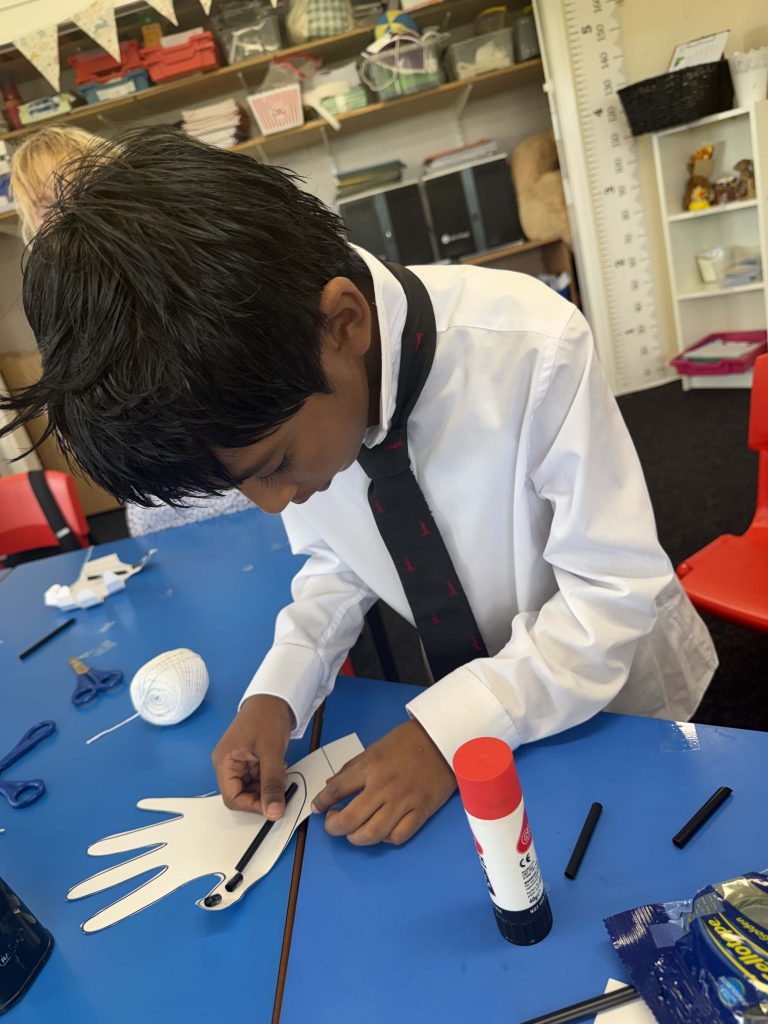
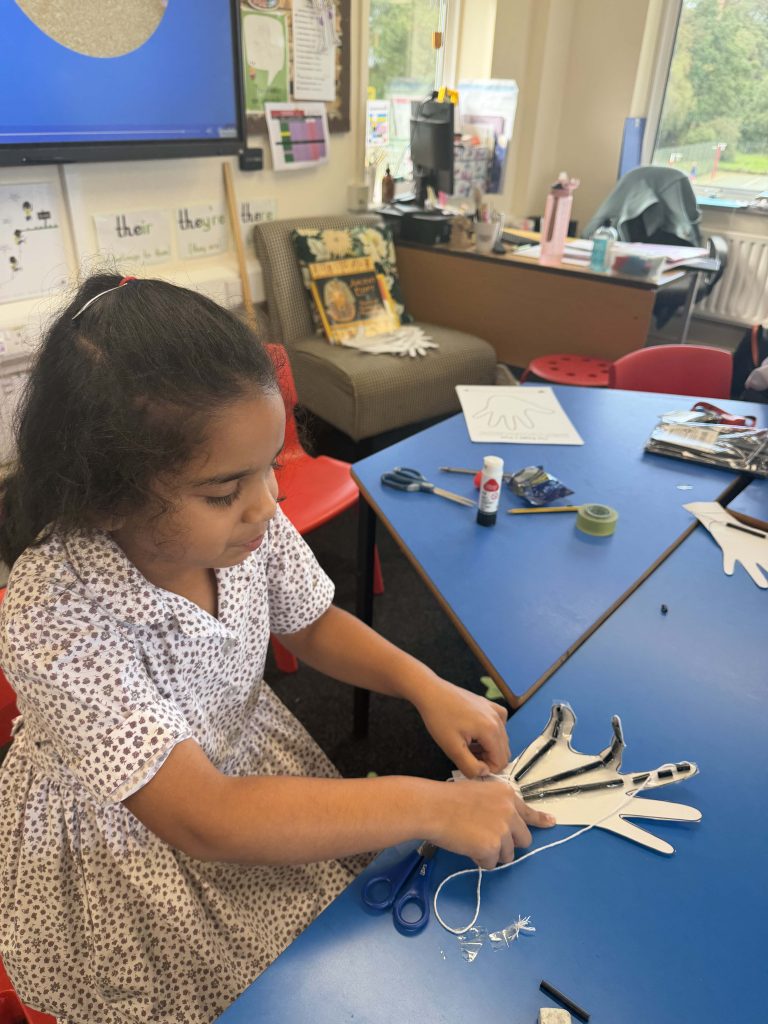
In Science, we made model hands to help us understand how our bodies move. The paper hand represented the bones in our hands, while the strings acted as the tendons that connect muscles to bones. By pulling the strings, we could see how muscles work by pulling on tendons to move and bend our fingers. This hands-on investigation helped us learn that muscles can only pull, not push, and showed us how different parts of the body work together to create movement. We had great fun bringing our model hands to life!
Ordering 3-Digit Numbers in Year 3
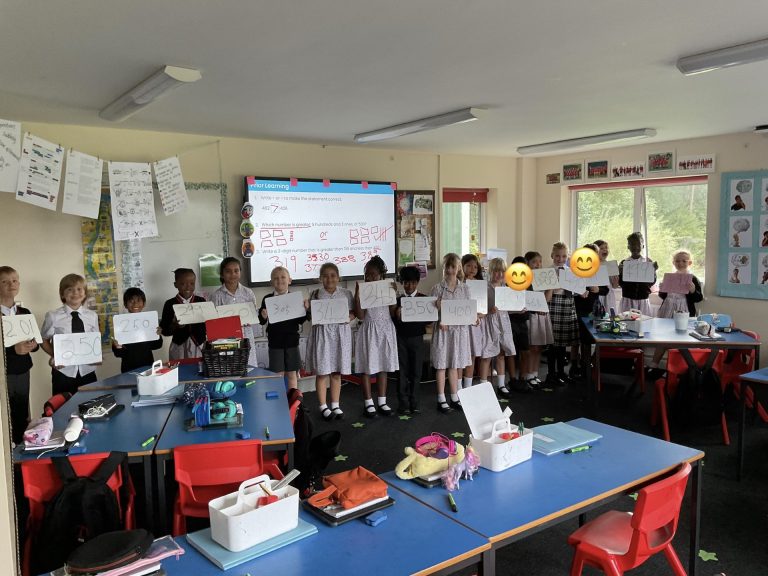
In Maths, we have been learning how to order 3-digit numbers. To put our skills to the test, each of us wrote a different 3-digit number on a whiteboard and then worked together to arrange ourselves in ascending order, from smallest to largest, without speaking! This was a tricky challenge as we had to carefully compare our numbers using only gestures and teamwork. We are proud to say that we successfully completed the challenge and ordered all of the numbers correctly!
Enrichment Lessons Launch
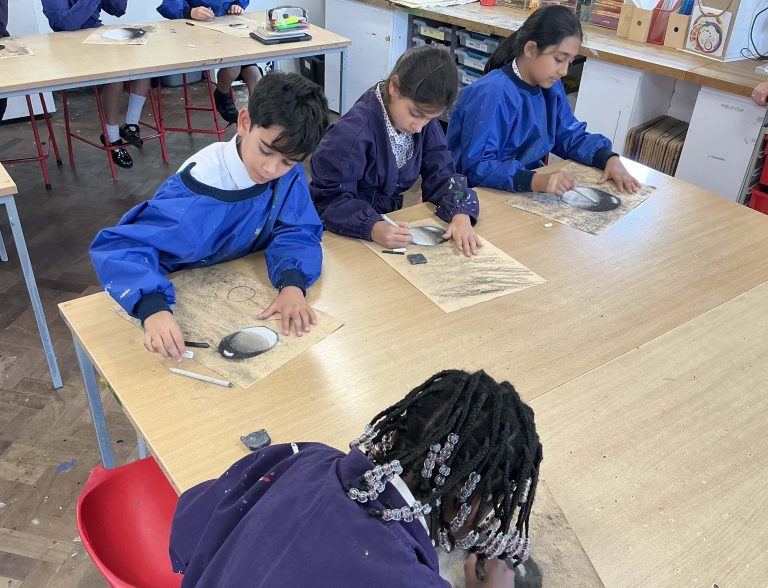
This academic year, we have introduced an enrichment lesson for children in Years 3 to 6. This is an opportunity for children to choose from a range of experiences beyond the more traditional aspects of the curriculum. Over the year, they can opt into units across three strands:
Thinking skills
This includes critical thinking, oracy, debating and research skills – such as learning how to ask a really good question, learning how to go about finding an answer, and checking the validity of sources of information. For children in Years 5 and 6, this also includes a focus on study skills such as revision.
Creativity and performance
Children can opt to create an art portfolio, or join a small musical ensemble, or both! This allows children opportunities to explore what they are interested in and take part in experiences that are beneficial for scholarship preparation in the creative and performing arts.
Physical activity
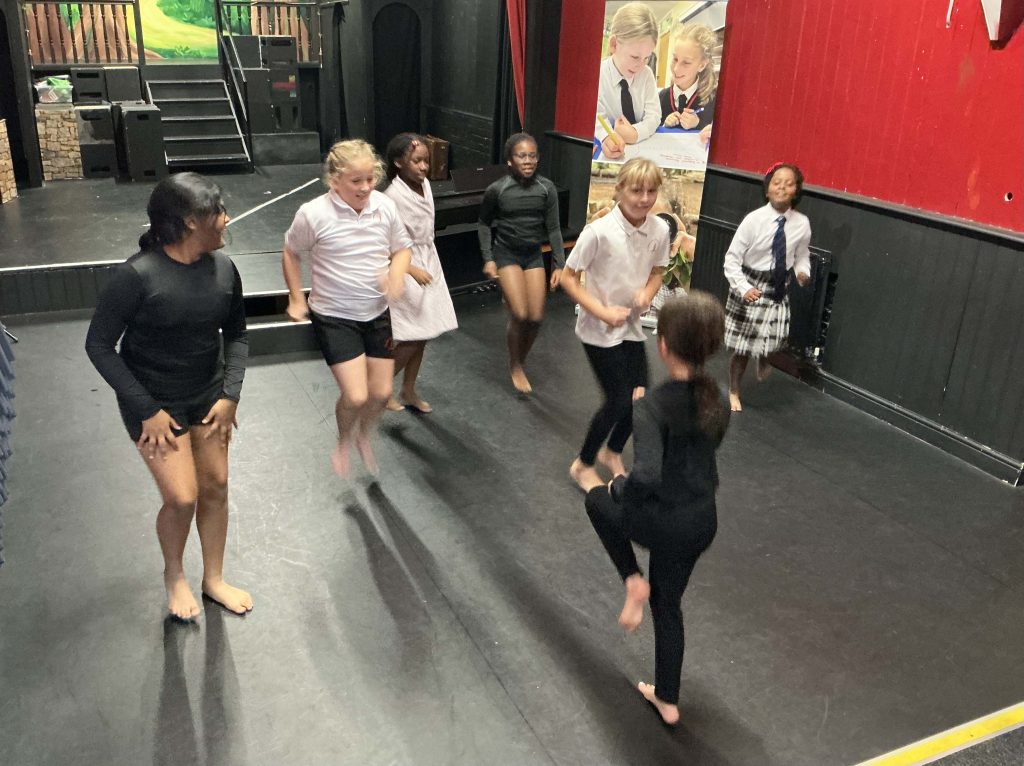
The programme of physical activity includes fitness – learning about how to exercise specific muscles and support physical wellbeing – yoga, dance, and gardening.
Children choose a few different units across the year – picking at least one from each strand – and will then work in small groups with a variety of teaching staff. Giving children this choice is important because we know that agency builds engagement and motivation – when children have ownership over their learning, they are more likely to persist through challenges and are better able to build the self-regulation and reflection skills that underpin independent, lifelong learning.
They have been very excited to make their enrichment choices and have enjoyed the first few sessions!