“Reading really is a superpower … Music and books are both about finding your voice. We are all made of stories – they define who we are.”
This quote from Stormzy was featured in last week’s edition of ‘Positive News’ – a publication we share weekly with our staff – and it beautifully captures our perspective on the power of reading.
At Copthorne, we want every child to do more than simply read the words on a page – we want them to step into stories, understand ideas deeply, and talk about what they discover. It is through these experiences that children make sense of themselves, others and the wider world around them.
As a part of our staff meetings this term, we have been exploring what research tells us really helps children develop strong reading comprehension, and we thought you might like a glimpse into what that looks like in the classroom.
One of the most important things we do is build children’s knowledge of the world. The more they know – about vocabulary, people, places, history, science, and story structures – the more they can draw on when reading. That’s why reading widely is so important.
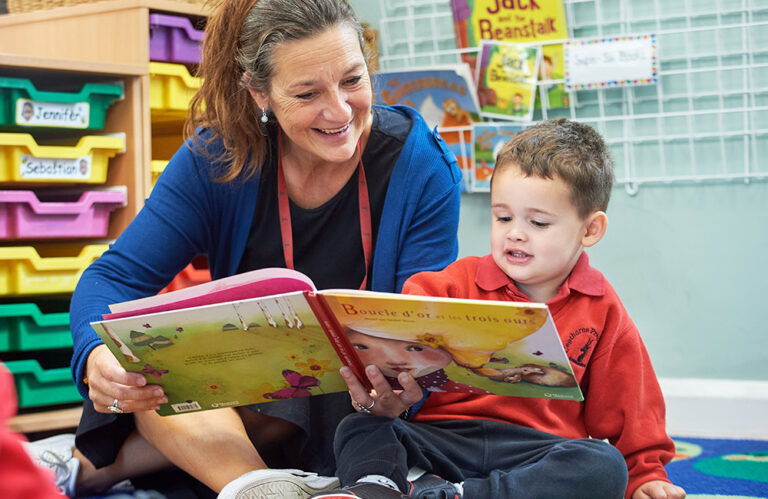
Another powerful part of comprehension is talk. You’ll often hear teachers ‘thinking aloud’ as they read, modelling the kinds of questions and connections strong readers make naturally. Children join in with this ‘book talk’ too – wondering, predicting, puzzling over words and questioning or explaining what they think is happening. These conversations are where so much understanding takes shape.
We also teach strategies like predicting, summarising and clarifying, but these are tools rather than the heart of comprehension. What really matters is giving children plenty of meaningful reading experiences: whole‑class texts, shared stories, independent reading time and lots of opportunities to talk about books.
So how can you help with this at home?
The good news is that supporting your child’s understanding doesn’t involve worksheets or formal tasks – just conversations with books at the heart of them.
When you read together, or talk about what they’re reading, try asking things like: “Why do you think that happened?” “How do you think the character is feeling?” “What do you think might happen next?”
Share your own thoughts too – “I wonder…”, “This reminds me of…”, “I didn’t expect that…”. These little moments help children build language, confidence and curiosity. Modelling your own enjoyment of reading and of language more generally is an incredibly powerful thing.
And, of course, keep reading lots of different books! The more widely children read, the more they understand – about stories, about the world, and about themselves as readers. Books really are the most marvellous magic!